Over the course of managing 100+ SEO campaigns across industries, one pattern has become crystal clear: foundation links are non-negotiable for long-term SEO success. Whether a website is new or well-established, these high-quality backlinks consistently provide authority, trust, and sustainable growth in search rankings.
In this article, we’ll share key lessons from our campaigns, explain why foundation links matter, and provide actionable strategies for marketers, SEO beginners, and website owners aiming to build strong, effective link profiles.
What Are Foundation Links?
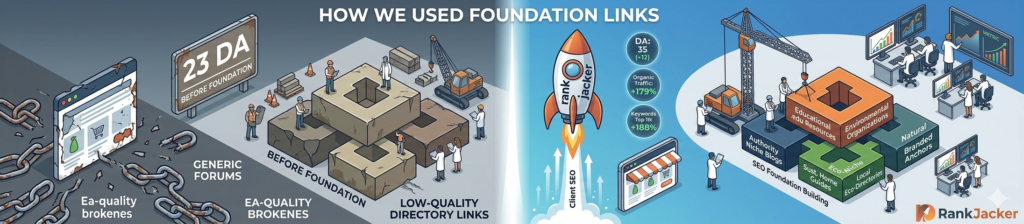
Foundation links are authoritative, high-quality backlinks that form the backbone of a website’s link profile. Unlike opportunistic or spammy backlinks, foundation links are typically:
- Editorially earned and niche-relevant
- From trusted sources such as industry blogs, educational sites, or local organizations
- Long-lasting and stable, supporting consistent SEO growth
They are the links that search engines trust most and often have the biggest impact on domain authority and overall rankings.
Lessons Learned from 100+ SEO Campaigns

Analyzing more than 100 campaigns revealed several consistent patterns about foundation links:
1. Foundation Links Build Trust Early
Websites that started with strong foundation links—before focusing on high-volume link-building campaigns—achieved faster and more sustainable ranking improvements. These links signal to Google that your site is credible and authoritative.
Example: A startup health blog earned a few foundational backlinks from authoritative nutrition organizations, which later amplified the impact of all additional SEO efforts.
2. Quality Outweighs Quantity
Across campaigns, a handful of high-quality foundation links often produced better results than dozens of low-quality or irrelevant backlinks. Focus on relevance, authority, and editorial placement rather than link volume.
Example: A small e-commerce client gained three backlinks from niche-leading blogs and experienced a 150% increase in organic traffic within months, outperforming competitors who relied on hundreds of low-quality directory links.
3. Anchor Text Diversity Is Key
Foundation links that overuse exact-match keywords can harm long-term SEO. Campaigns with natural, diverse anchor text consistently avoided penalties while boosting rankings steadily.
Best Practice: Include branded anchors, long-tail phrases, generic terms, and natural language to keep link profiles balanced.
4. Foundation Links Support Other Backlinks
Foundation links make future link-building campaigns more effective. High DA backlinks or sponsored links performed better when a website already had a strong foundation of trustworthy, relevant links.
Example: A tech website initially focused on building foundational links from industry blogs and tech communities. Later, when acquiring guest posts on high-DA platforms, the links had a compounding effect on rankings, rather than appearing as isolated attempts.
5. They Protect Against Algorithm Updates
Websites with a well-established foundation link profile showed greater resilience to Google updates. Low-quality or spammy link profiles often suffered ranking drops, whereas sites with authoritative backlinks maintained stable traffic and rankings.
6. Foundation Links Are Long-Term Investments
Campaigns that emphasized short-term link schemes experienced temporary ranking spikes, but results often vanished once links were devalued. Foundation links, however, contributed to long-term authority, visibility, and traffic growth.
Case Study Example: SaaS Startup
Client: A SaaS company providing project management tools.
Challenge: A new website with low authority in a competitive niche.
Strategy:
- Built foundation links from industry-leading blogs, SaaS directories, and tech resource pages.
- Balanced anchor text with branded, long-tail, and natural phrases.
- Supported links with high-value content like whitepapers and guides.
Results:
- Domain Authority increased from 18 → 32 in 5 months
- Organic traffic grew 180%
- Multiple target keywords entered the top 10 SERP positions
Insight: The initial foundation links created a credible base, making all subsequent link-building efforts more effective.
How to Apply These Lessons to Your SEO Strategy
Here’s a roadmap based on insights from 100+ campaigns:
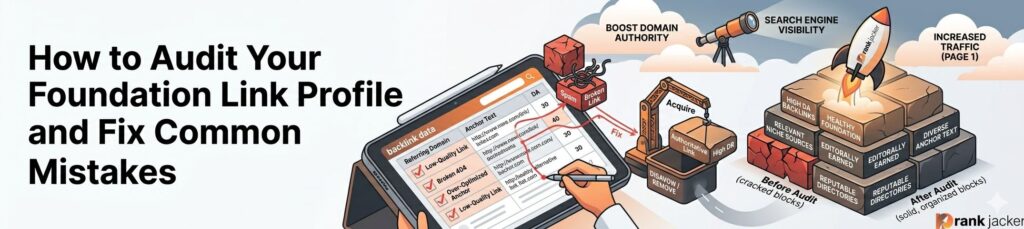
1. Audit Your Current Links
- Use tools like Ahrefs, SEMrush, or Moz to identify existing foundation links.
- Remove low-quality, irrelevant, or spammy backlinks.
2. Identify High-Authority, Relevant Sources
- Target niche blogs, industry publications, educational and government sites, and local directories.
- Prioritize links that are editorial and contextually placed.
3. Create Linkable Content
- Guides, infographics, research studies, and resource pages naturally attract authoritative links.
- Ensure content aligns with the linking site’s audience and needs.
4. Outreach Strategically
- Build relationships with industry influencers, bloggers, and organizations.
- Offer guest posts, contributions, or valuable resources in exchange for links.
5. Monitor and Maintain Your Foundation Link Profile
- Conduct quarterly audits to ensure links remain active, relevant, and authoritative.
- Adjust your strategy based on new SEO trends and competitor activity.
Key Takeaways
- Foundation links are essential for new and established websites alike.
- Quality, relevance, and editorial placement matter more than volume.
- They provide trust signals that support other SEO tactics and high DA backlinks.
- Diverse anchor text, content-driven links, and regular audits maximize long-term SEO growth.
- Websites with strong foundation links are more resilient to algorithm changes and competitive markets.
Outgoing Thoughts
From 100+ campaigns, the lesson is clear: foundation links are the backbone of sustainable SEO success. They provide credibility, authority, and visibility, while supporting additional SEO efforts and long-term growth.
For website owners, marketers, and SEO beginners, prioritizing foundation links should be the first step in any link-building strategy. Once a solid foundation is established, other tactics—high DA backlinks, guest posting, and content marketing—can amplify results and ensure lasting search engine visibility.
FAQs
Q1. What are foundation links?
Ans. High-quality, authoritative backlinks that form the core of a website’s link profile.
Q2. Why are foundation links important for SEO?
Ans. They improve domain authority, trustworthiness, and help websites gain sustainable visibility.
Q3. How do foundation links differ from other backlinks?
Ans. Foundation links are usually earned, editorial, and niche-relevant, while other backlinks may be opportunistic or less authoritative.
Q4. Can foundation links help new websites rank faster?
Ans. Yes, they establish credibility and provide trust signals that help search engines index and rank new sites.
Q5. How many foundation links should a website have?
Ans. Focus on quality over quantity. A handful of authoritative links can have a bigger impact than dozens of low-quality backlinks.
Q6. Do foundation links work in all niches?
Ans. Yes, though the specific sources will vary based on industry and audience relevance.
Q7. How do I find opportunities for foundation links?
Ans. Look for niche blogs, industry directories, educational resources, local organizations, and authoritative publications.
Q8. Can foundation links prevent ranking drops during Google updates?
Ans. Websites with a strong, natural foundation link profile tend to be more resilient to algorithm changes.
Q9. Should anchor text be optimized for foundation links?
Ans. Yes, but maintain diversity with branded, long-tail, and natural anchors to avoid over-optimization.
Q10. How often should I audit my foundation link profile?
Ans. Quarterly audits are recommended to ensure links remain relevant, authoritative, and high-quality.